
A Day in the life at Passages
There isn’t one “typical” day at Passages.
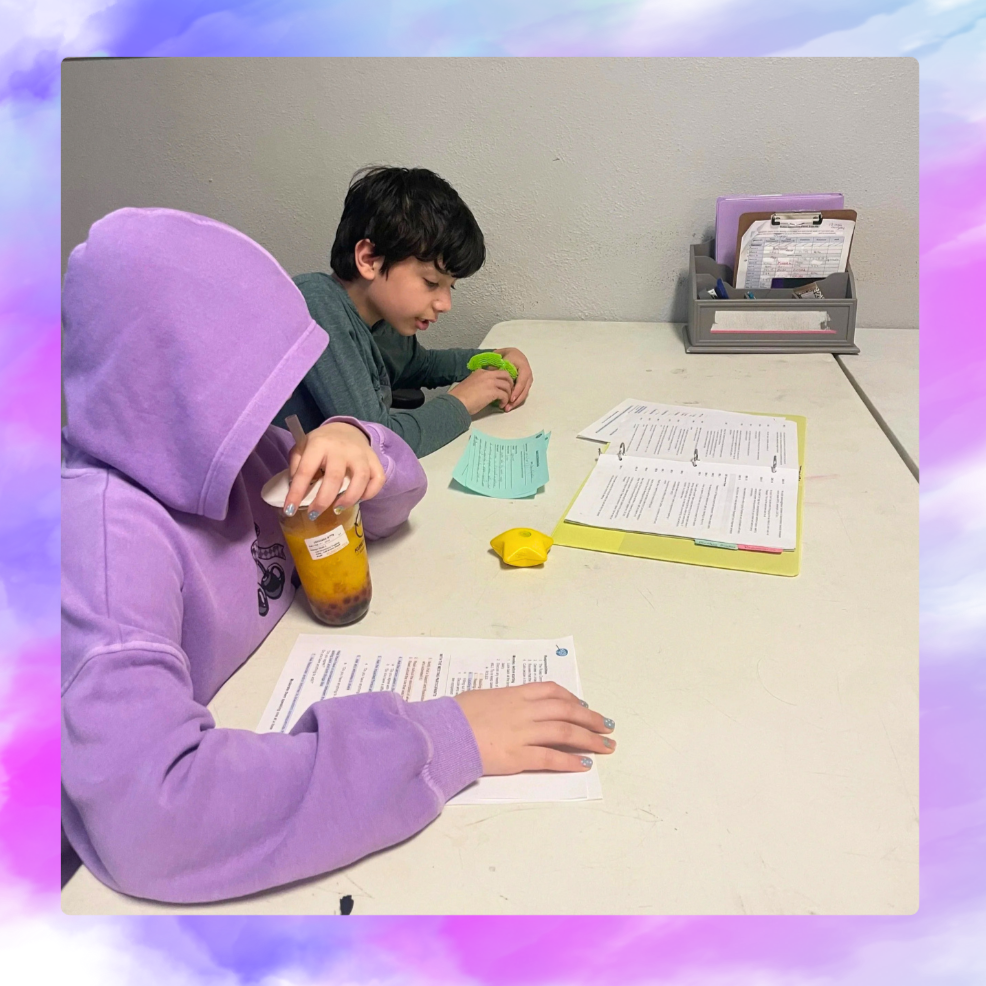
Rules Committee is underway dealing with issues that learners may have.
Each learner arrives with their own interests, energy, experiences, and pace. What the day looks like depends on that. Over time, a rhythm begins to emerge.
Sometimes families visit and see a learner on a couch, chatting, resting, gaming, or on their phone and wonder where the learning is.
For some young people, coming to Passages means recovering from years of stress, burnout, anxiety, or feeling disconnected from learning. For others, it means having more time and freedom to follow their interests, make choices, and discover what matters to them. Both can take time, and we don't assume growth only happens when it looks productive from the outside.
Arriving
Mornings are unhurried. Learners arrive at various times starting around 845am, with most settled in by 1030. They might grab a snack or a tea and reconnect with others. Some ease into conversation. Others find a quiet corner. There’s no rush to “get started” and the day begins as people are ready.
Finding your way into the day
From there, the day opens up. Some learners join a planned workshop or class, others continue with a personal project they’ve been working on, while another checks in with staff to think through what they want to focus on. Older learners may be working on credit courses, or may be getting a committee meeting started. Goals are personal and authentic to each person. Staff are there to support, but it’s never forced.
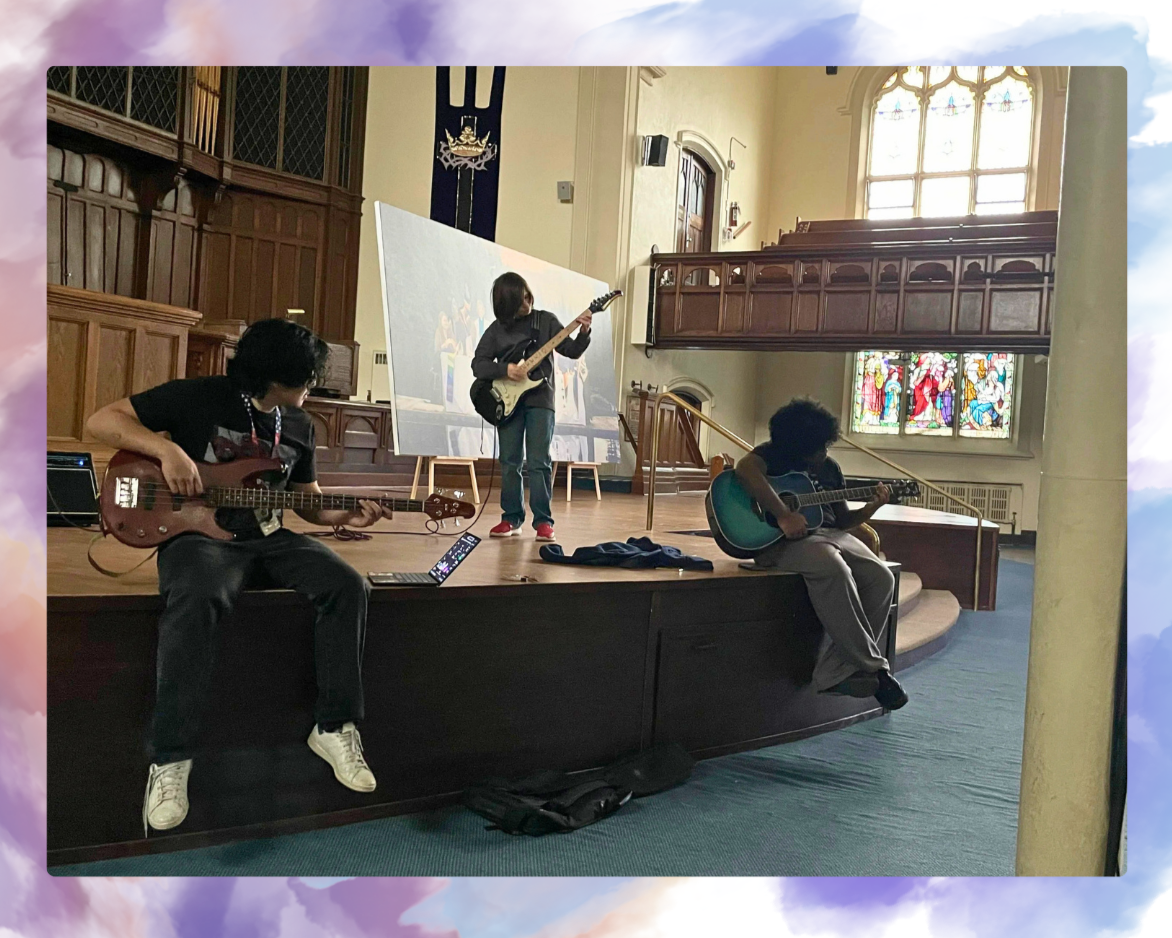
Using the buildings sanctuary for guitar practice brings a beautiful sound.
Midday
The centre becomes more active. There’s always more energy from about 11am onwards.
You might see:
a small group deep in discussion about a shared interest, a book, or an idea they’re exploring
someone working on art, writing, or a personal project
a workshop happening in one room
a few learners heading out on an outing
There’s movement, conversation, and a sense that young people are following their own thread while still being part of something shared.
Afternoon
Energy shifts again. Lunch has been eaten, and there’s usually a bout of energy with some gym or park time needed. You’ll see people milling about, working on ideas, or joining in on a game that has started. There may have been some antics started in the morning that continues, building with ideas and excitement. There’s always something quirky going on here!
And others may be winding down, or diving deeper. There’s space for both focus and rest.
Throughout the day
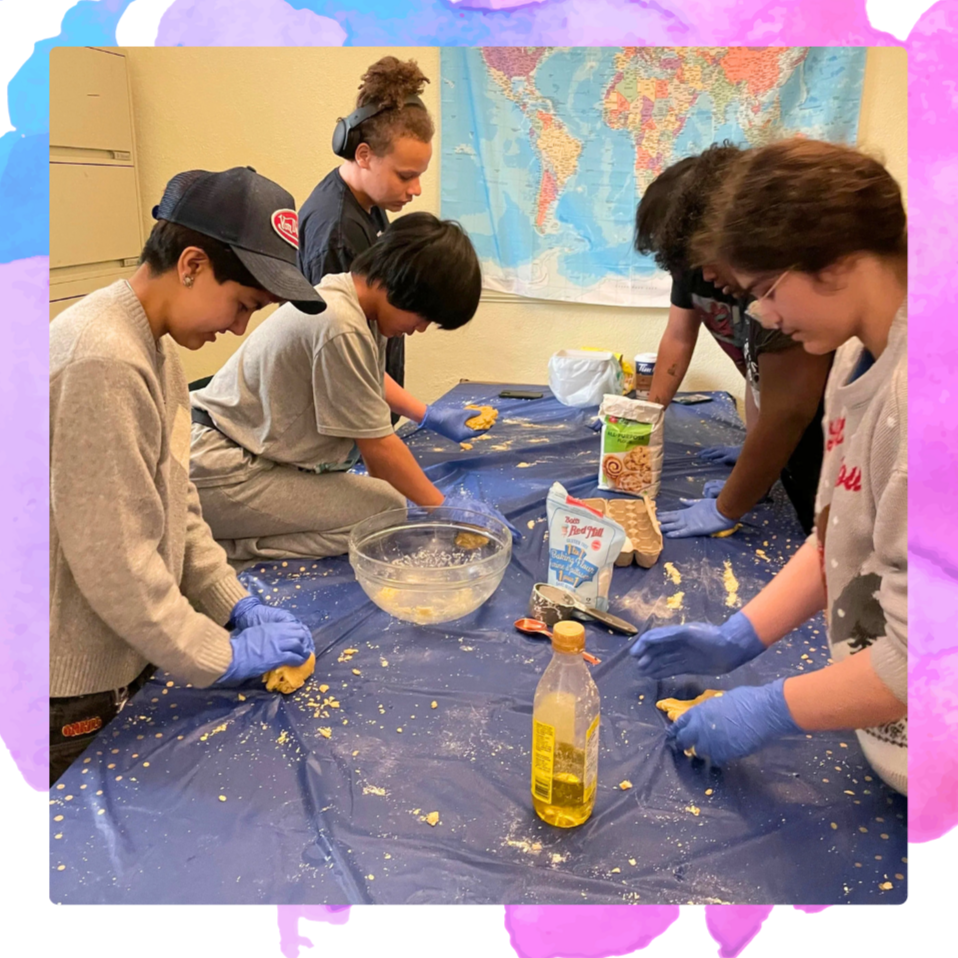
Pasta and pierogi making
Learning doesn’t follow a set schedule and may not always look traditional, but it is intentional and supported.
It happens through:
conversations
experimentation
mentorship
curiosity
trying something, stepping away, and returning to it later
Over time, learners begin to take more ownership of how they spend their time and what they pursue.
One learner might spend an hour discussing politics in the kitchen, join a workshop before lunch, then head out on an outing with a small group.
Another might spend most of the afternoon drawing, listening to music, and talking through an idea for a future project with their mentor.
Someone else might spend the day organizing a Dungeons & Dragons campaign, baking, or helping facilitate a community discussion.
Others may be working through one of our committees and getting tasks done, or consulting one another on processes and challenges.
What tends to change over time
For many families, the shift isn’t always immediate, but it is noticeable in many different ways.
Confidence grows. Community is found. Curiosity might be returning. And most importantly learners begin to trust themselves and their voice within our democratic community.
What often surprises families
How much time young people spend talking.
How much learning happens through relationships.
How quickly many learners begin participating once they stop being pressured.
That some learners need weeks or months to decompress before diving deeply into interests.
How much responsibility comes with freedom.
Reading about Passages can only go so far. The best way to understand the community is to experience it.
Discovery Weeks allow young people to spend time at the centre, meet other learners, participate in activities, and decide for themselves whether it feels like a fit.
Book a tour to see it for yourself
Book an info session to ask questions and explore whether Passages is the right fit.